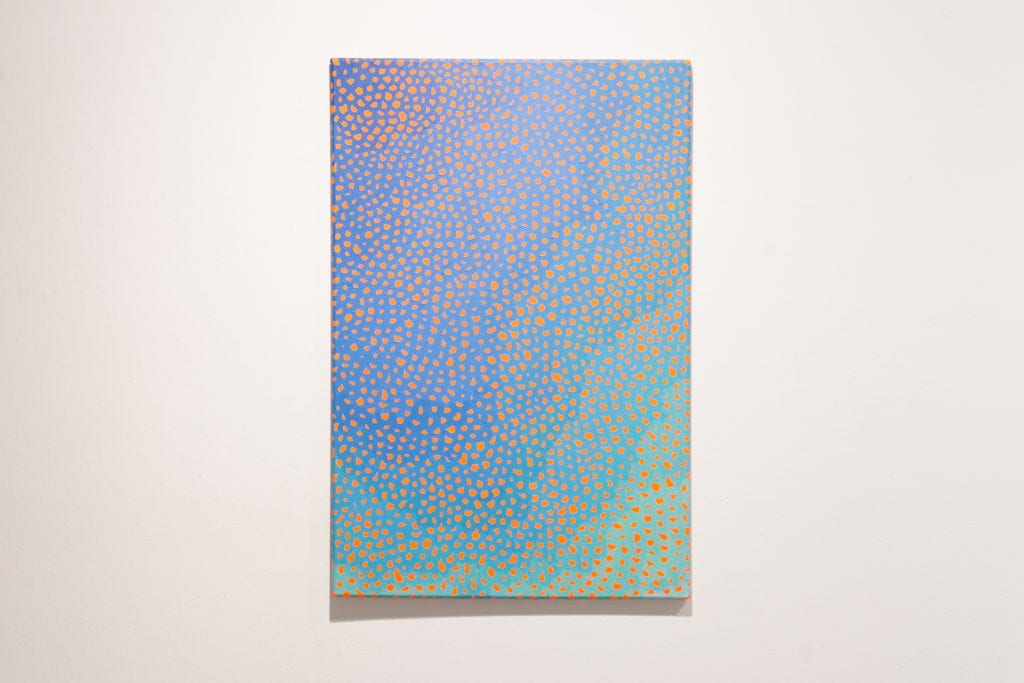
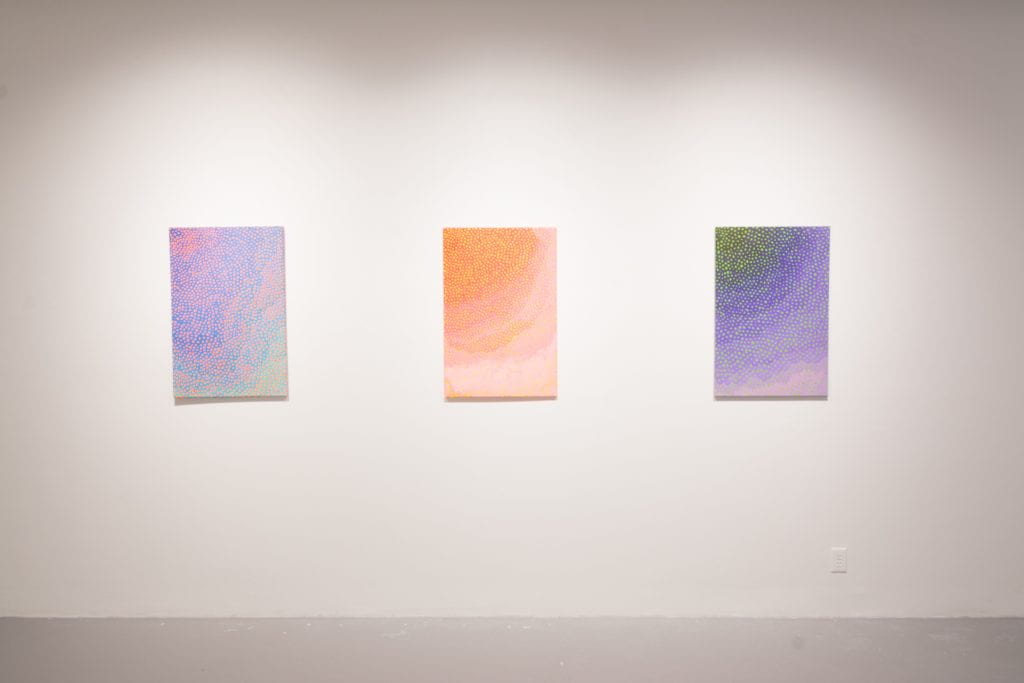
New work by Noelle Herceg

New work by Noelle Herceg
New work by Emma DeRosia, Eva Emter, and Laneate Vang.
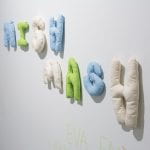
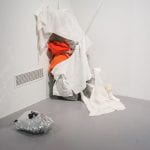
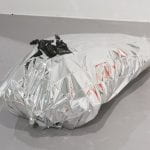
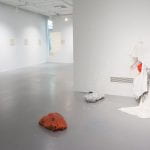
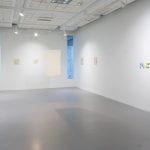
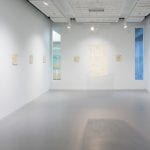
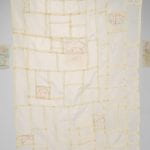
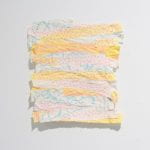

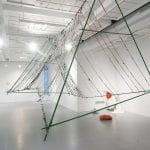
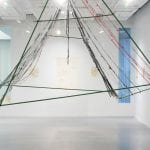
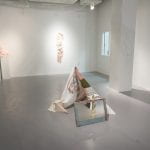
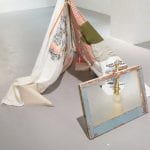
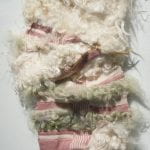
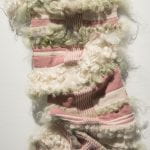
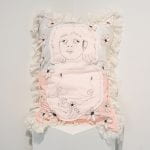
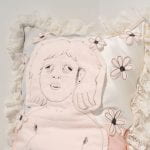
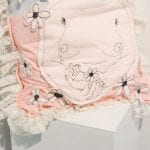
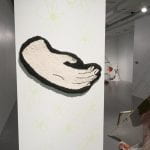

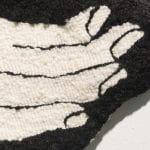

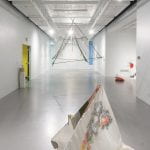
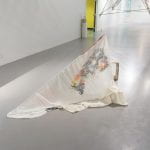
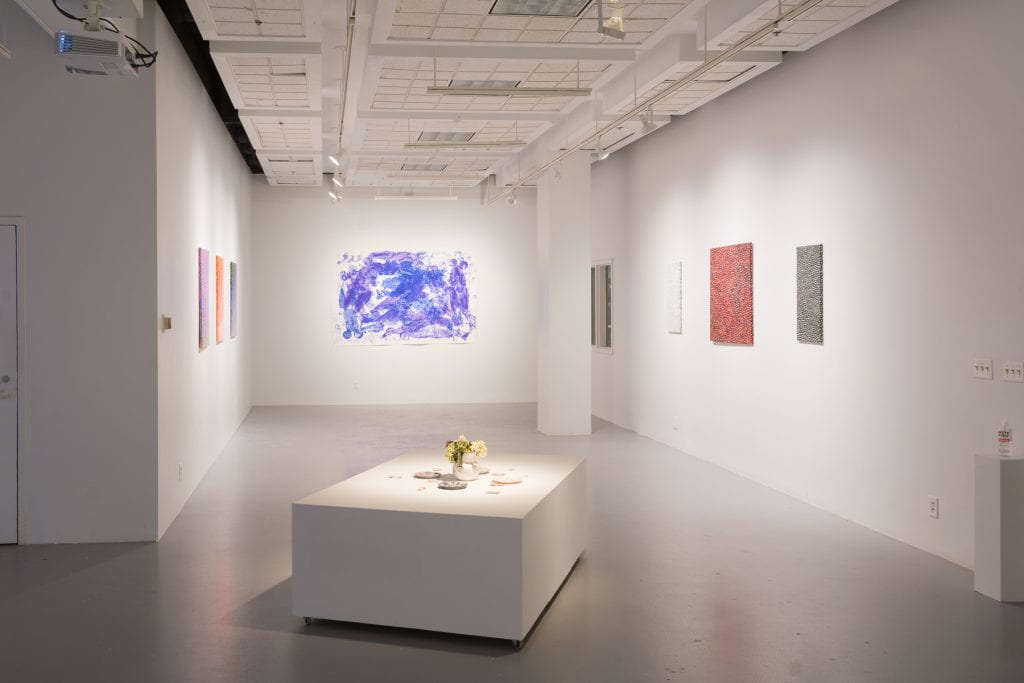
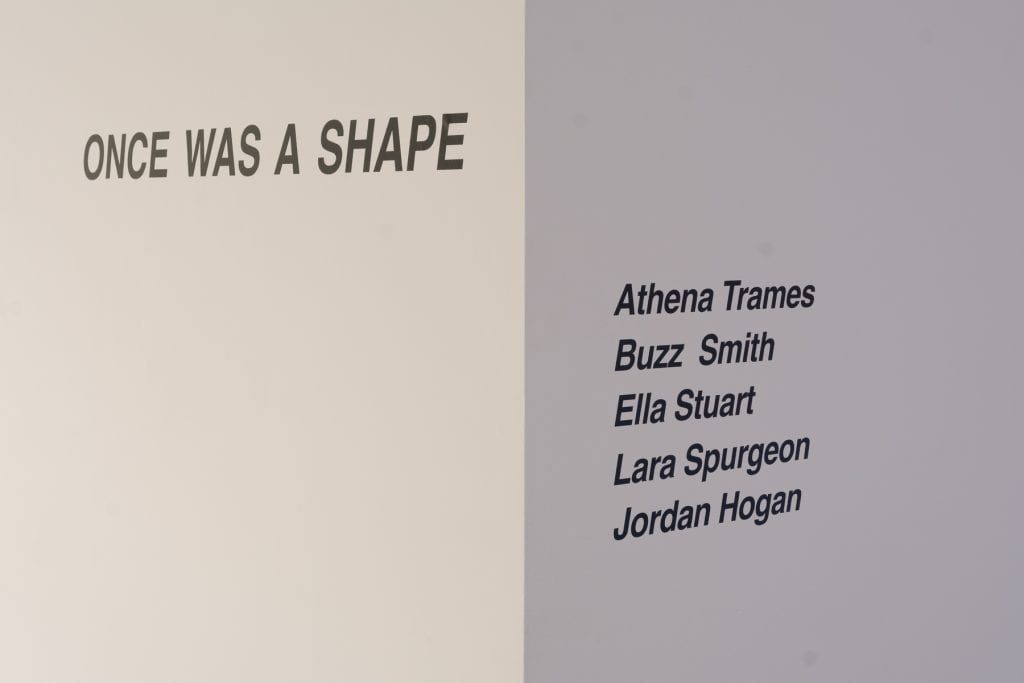
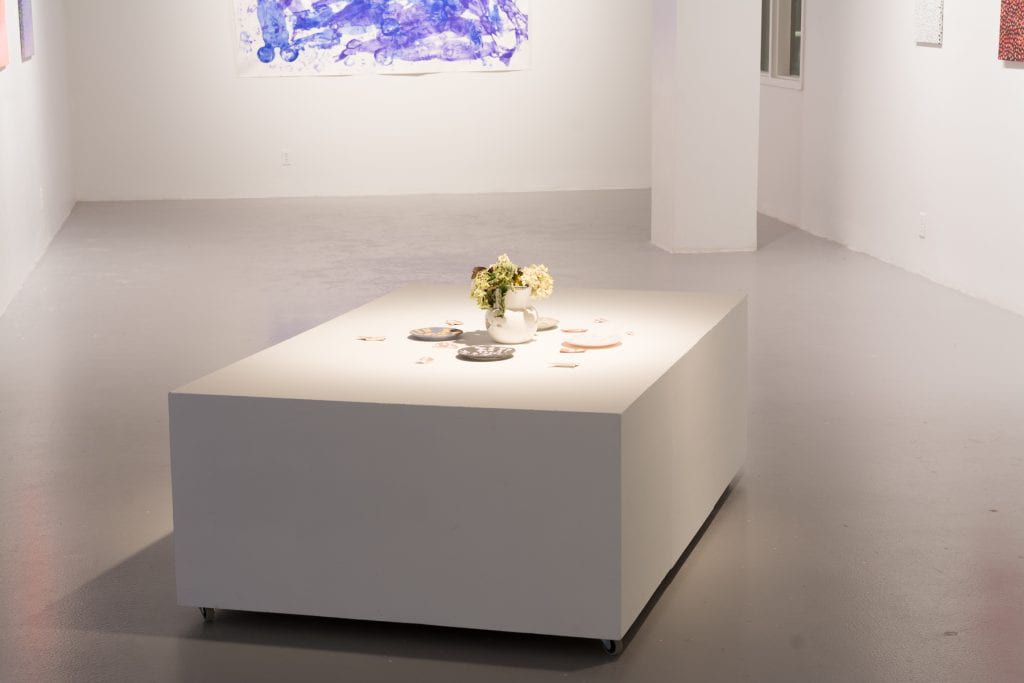
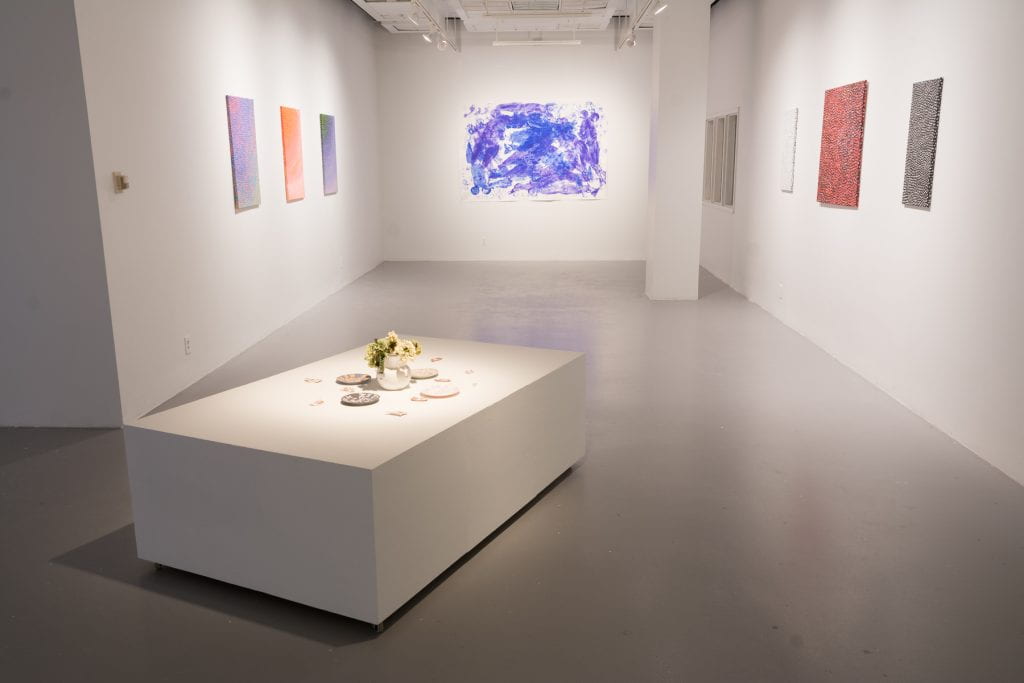
New work by Athena Trames, Buzz Smith, Ella Stuart, Lara Spurgeon, and Jordan Hogan.
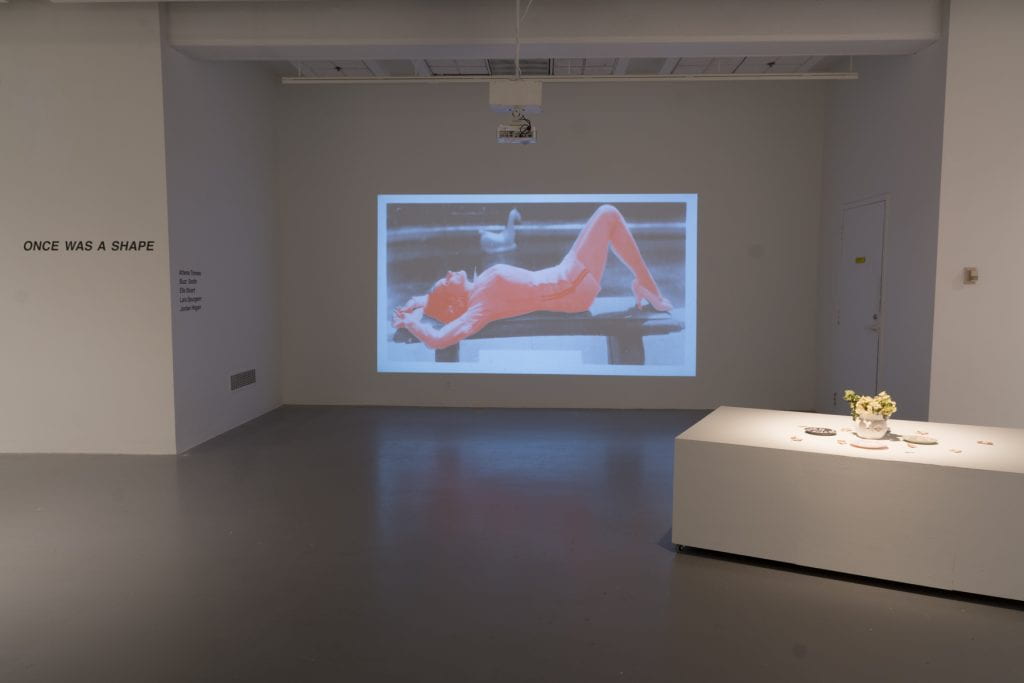
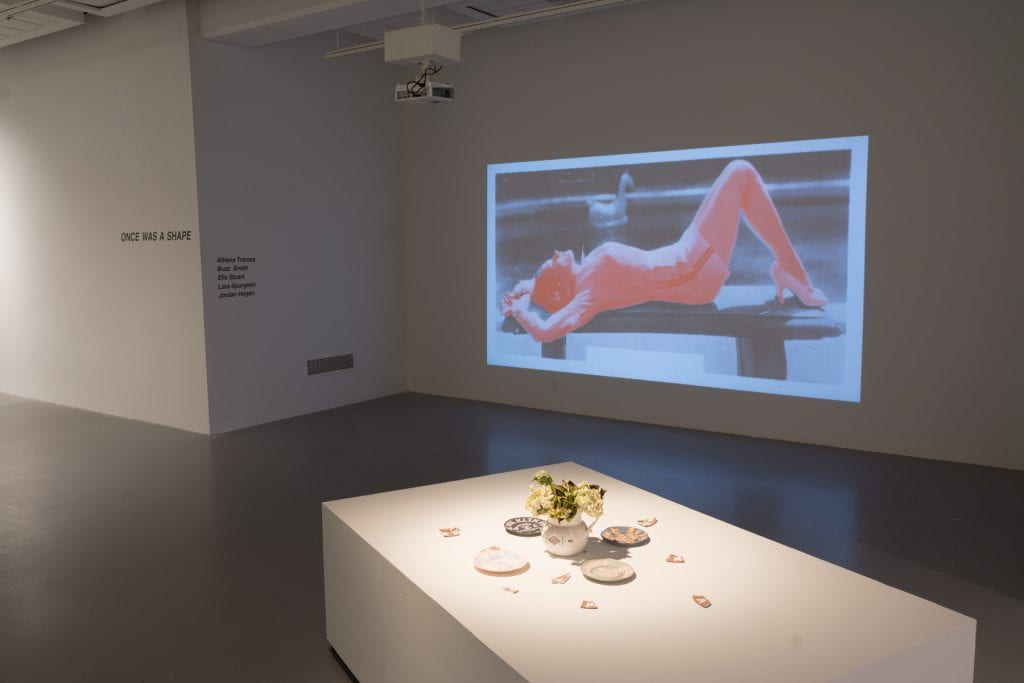
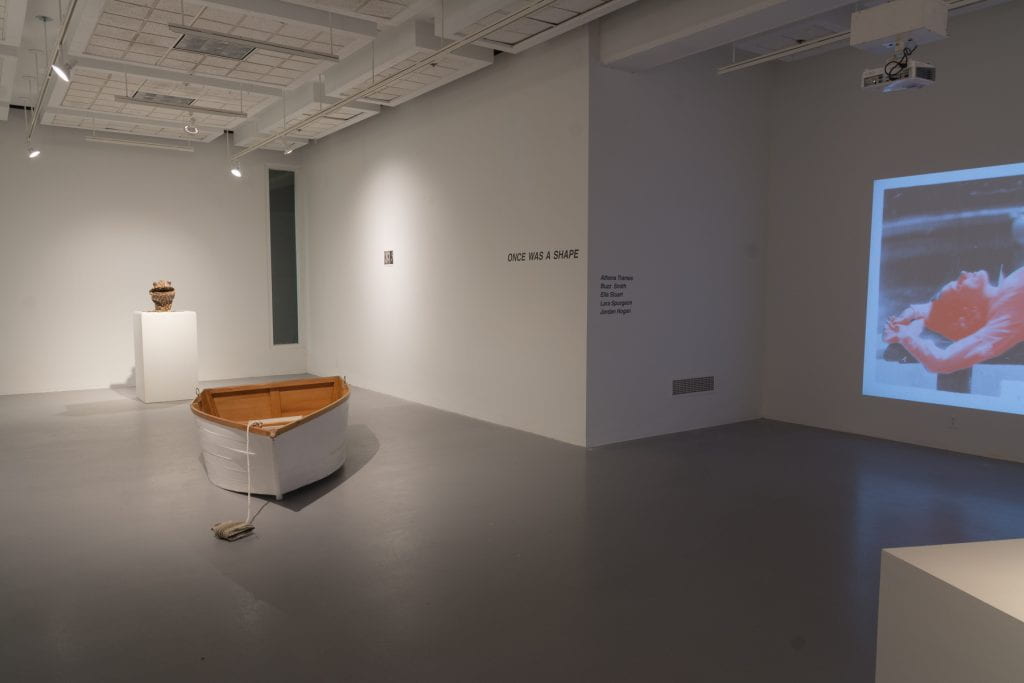
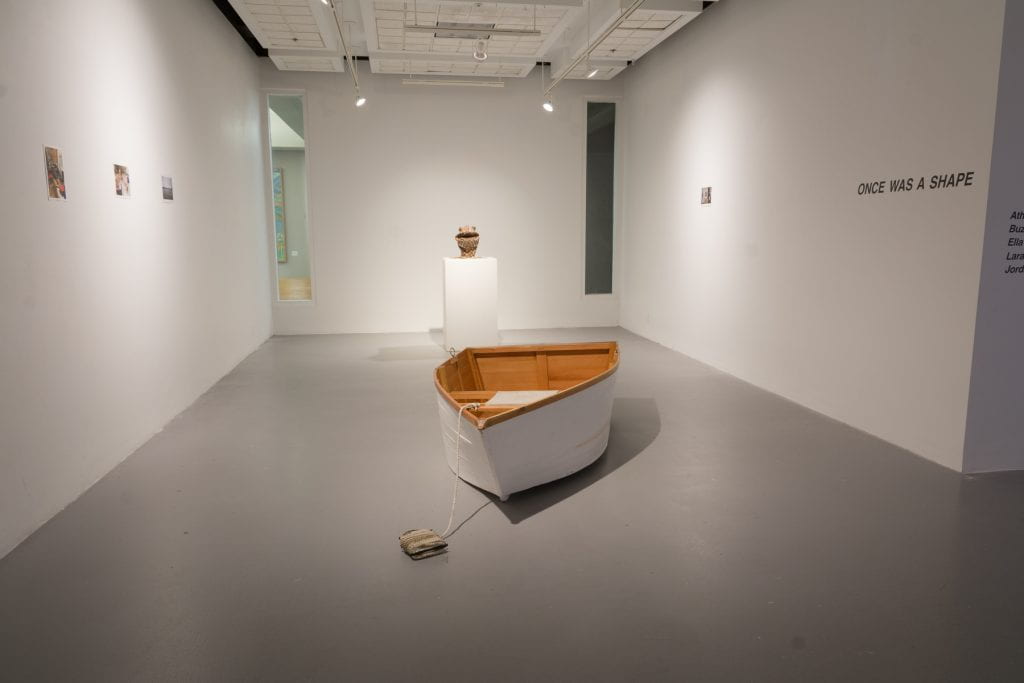
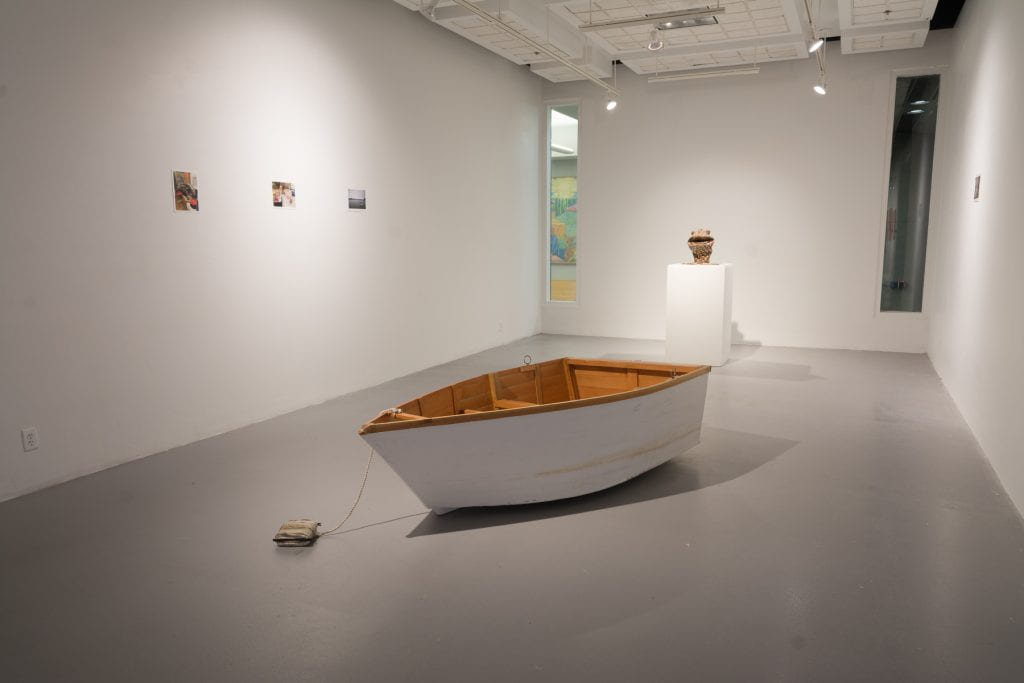

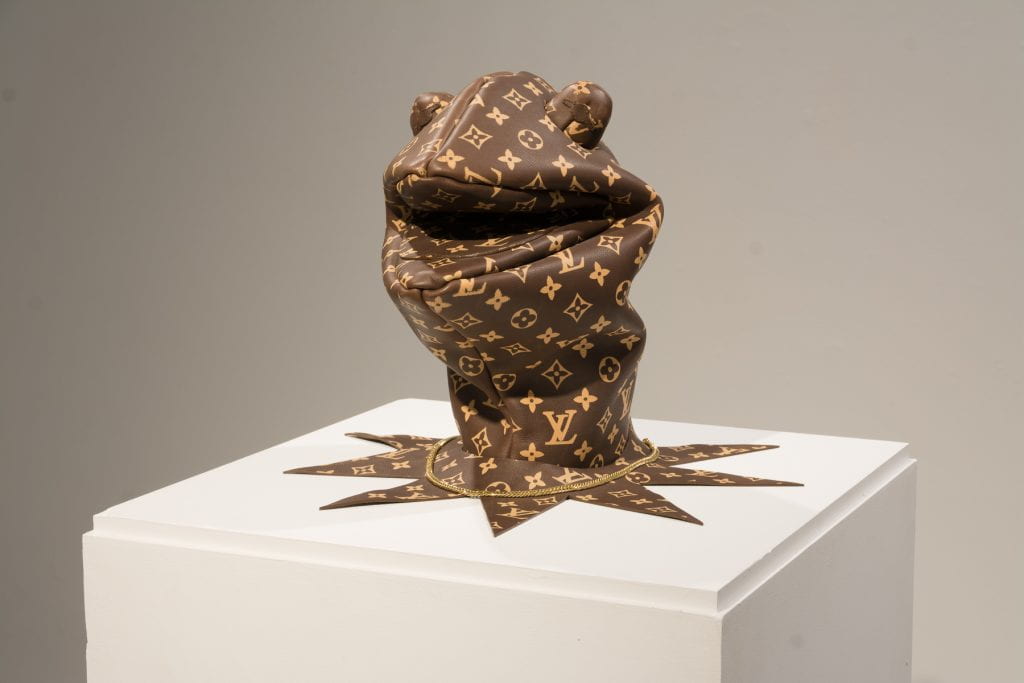
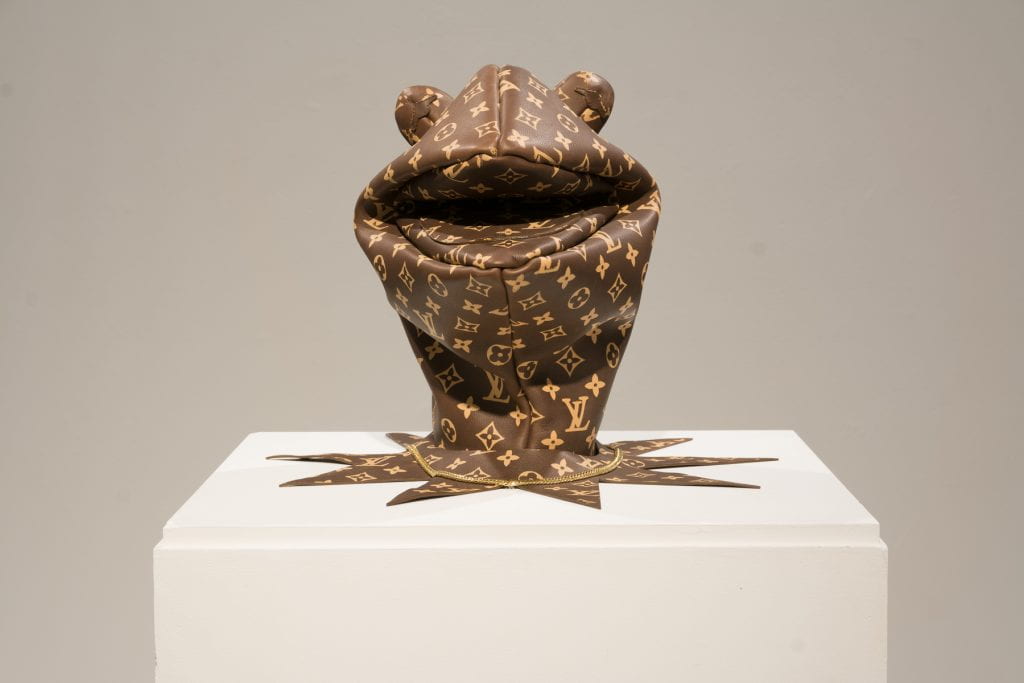
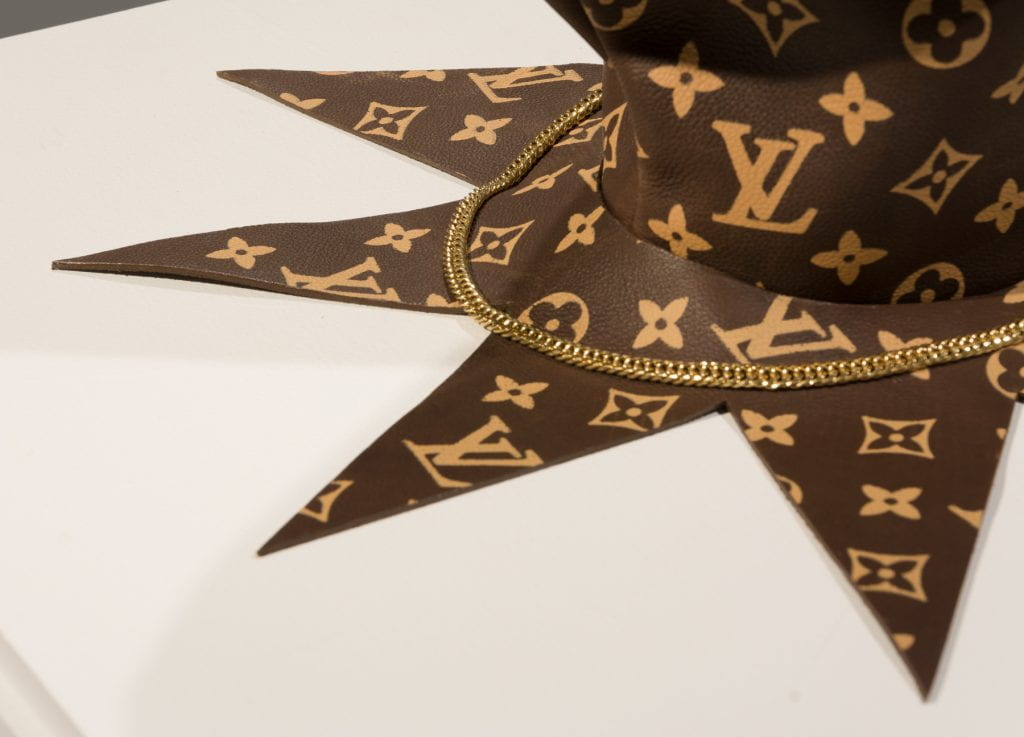
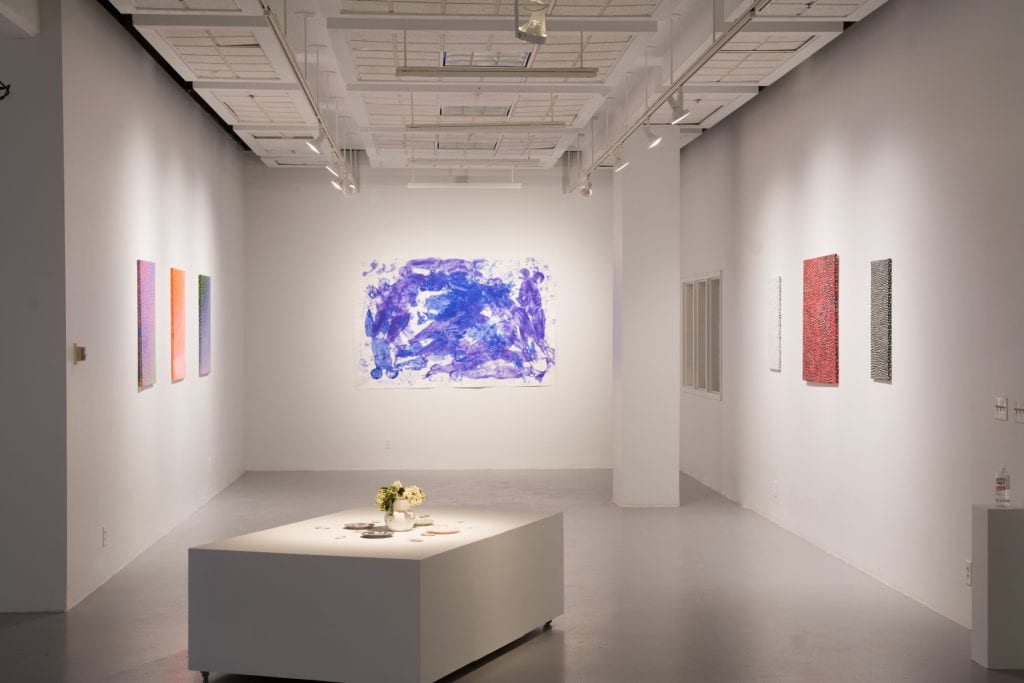
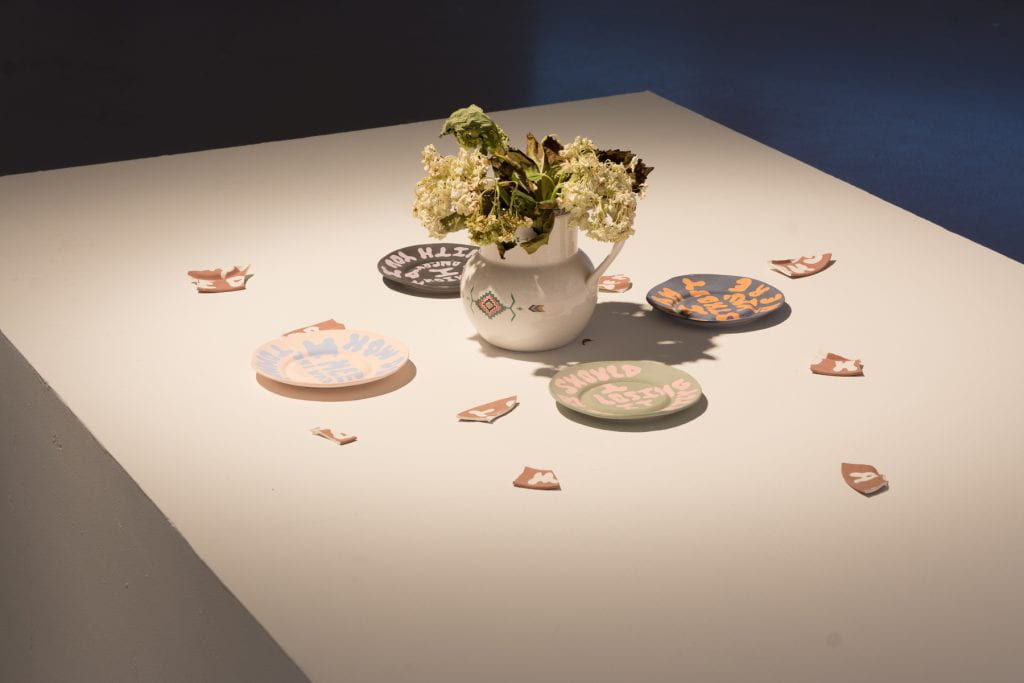
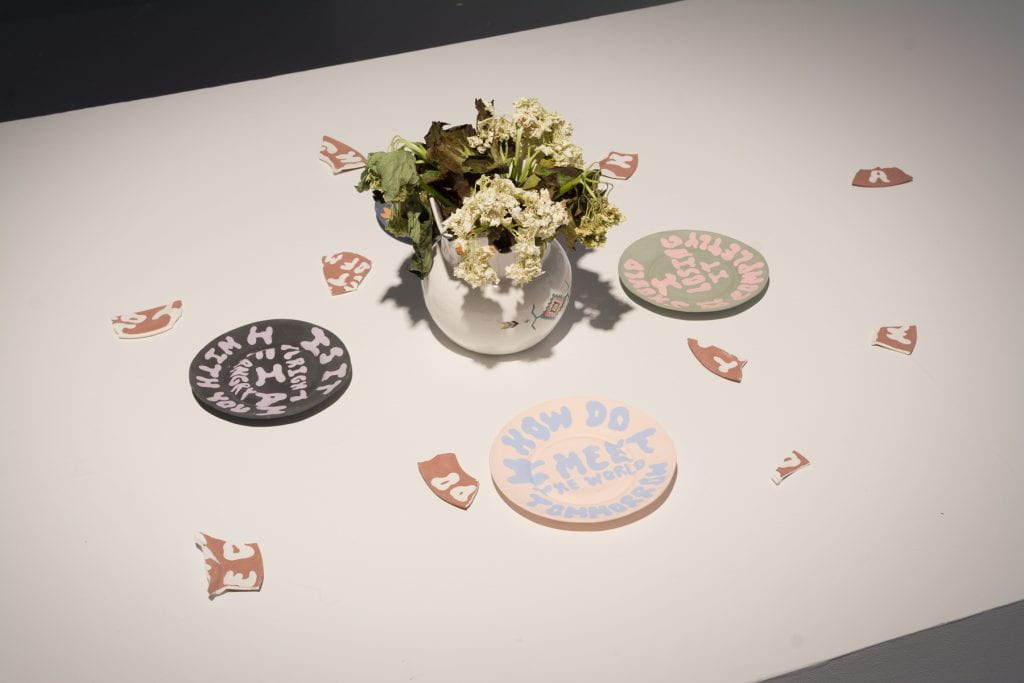
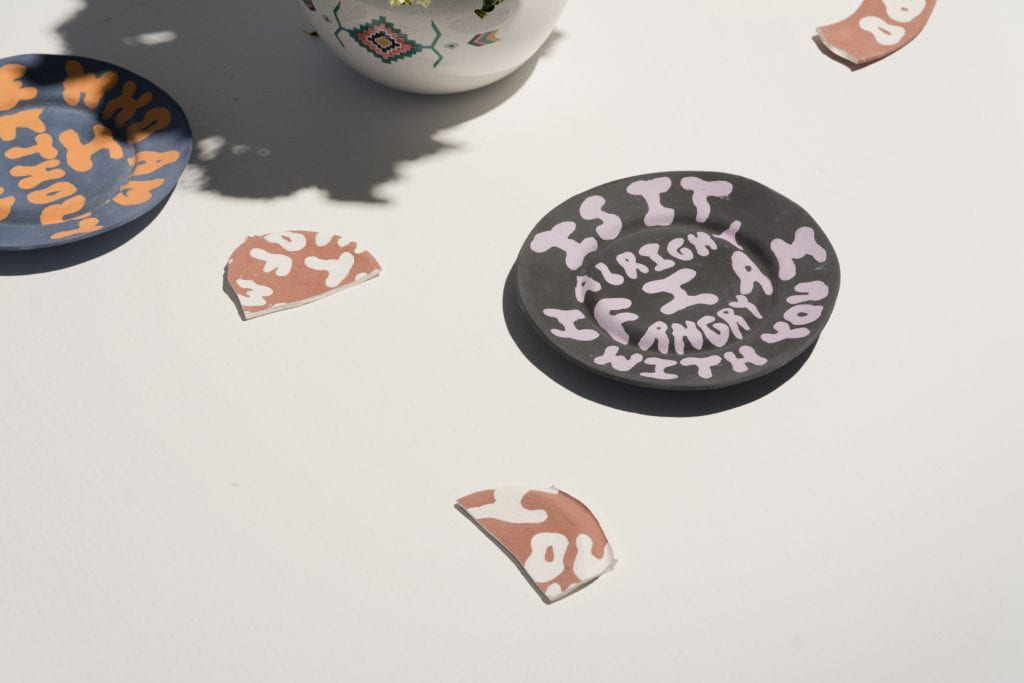
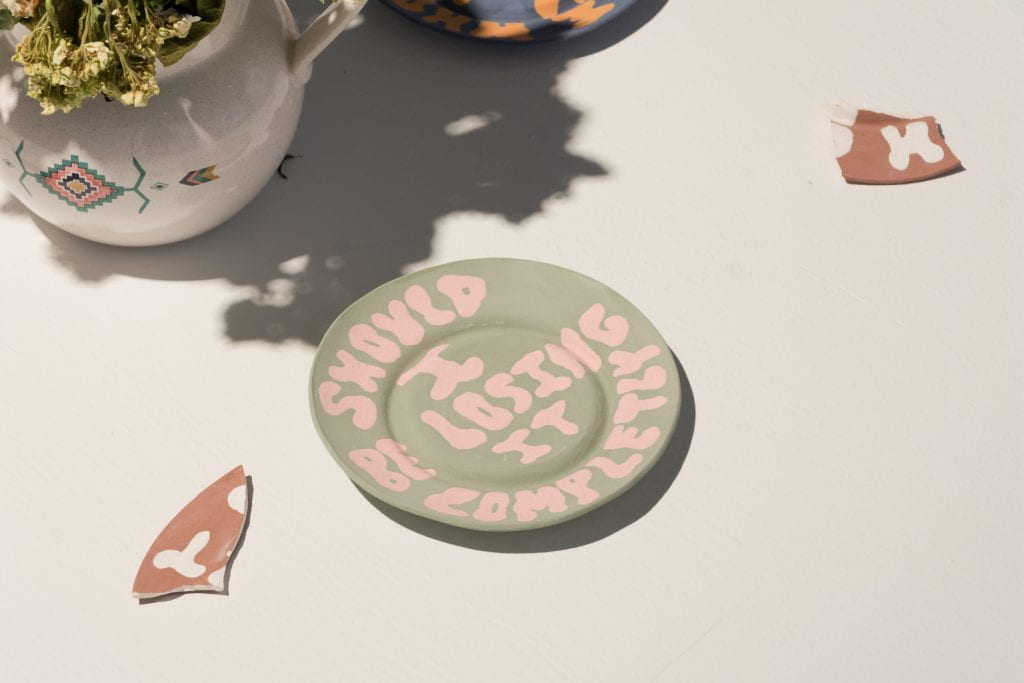
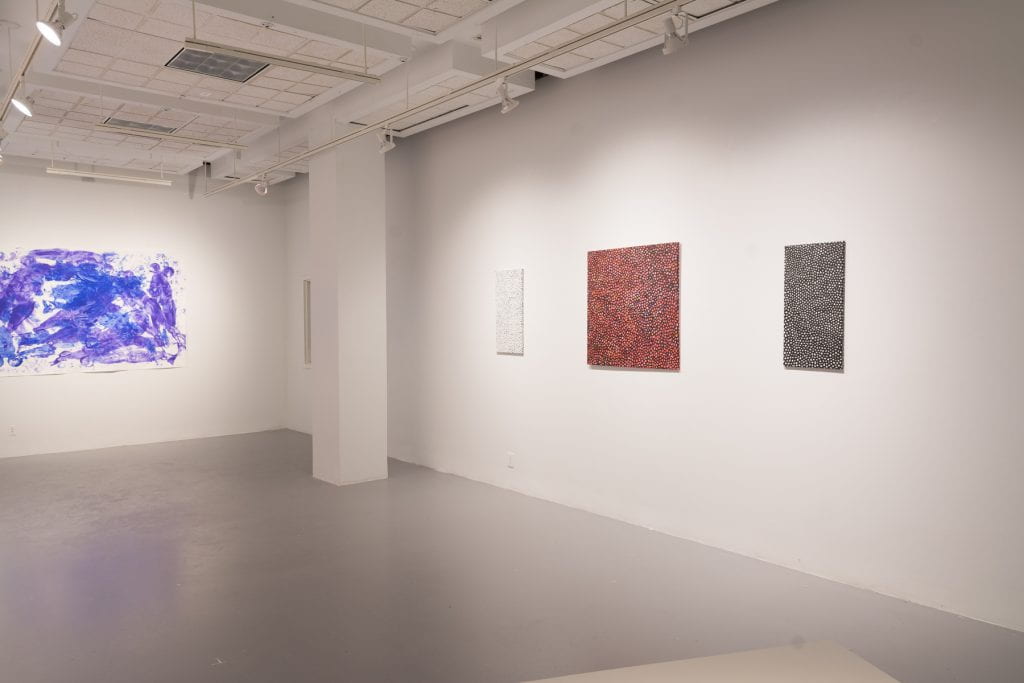
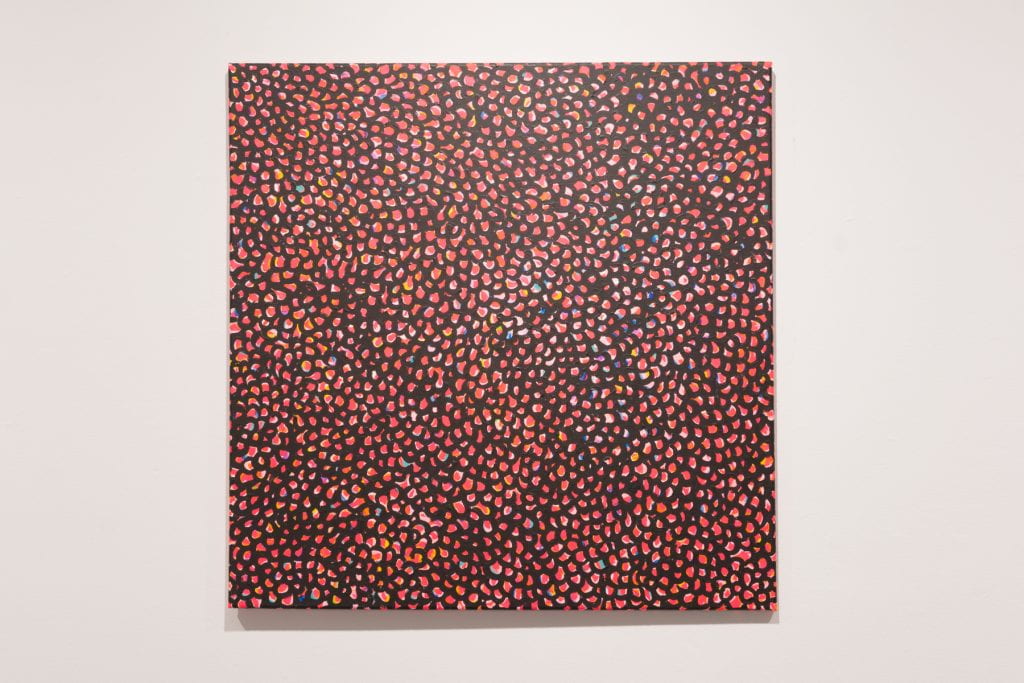
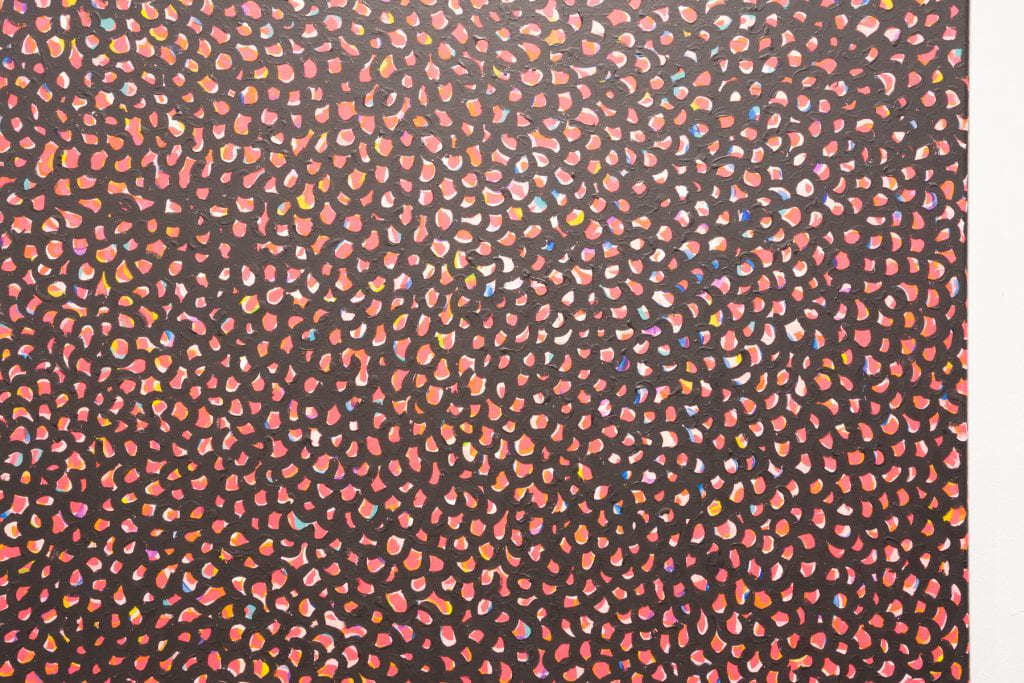
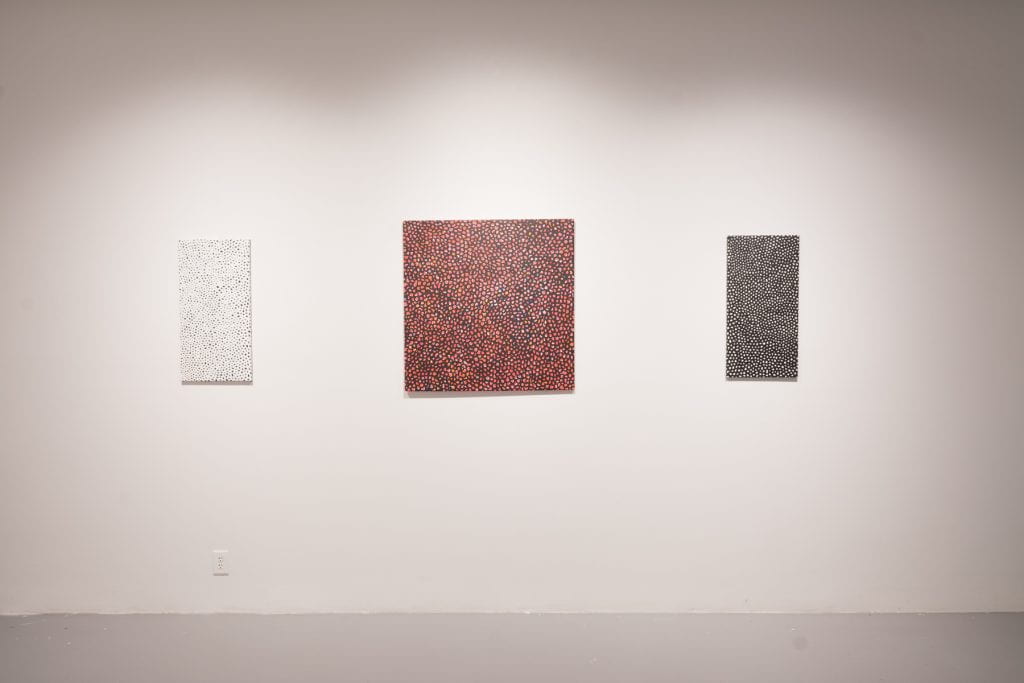
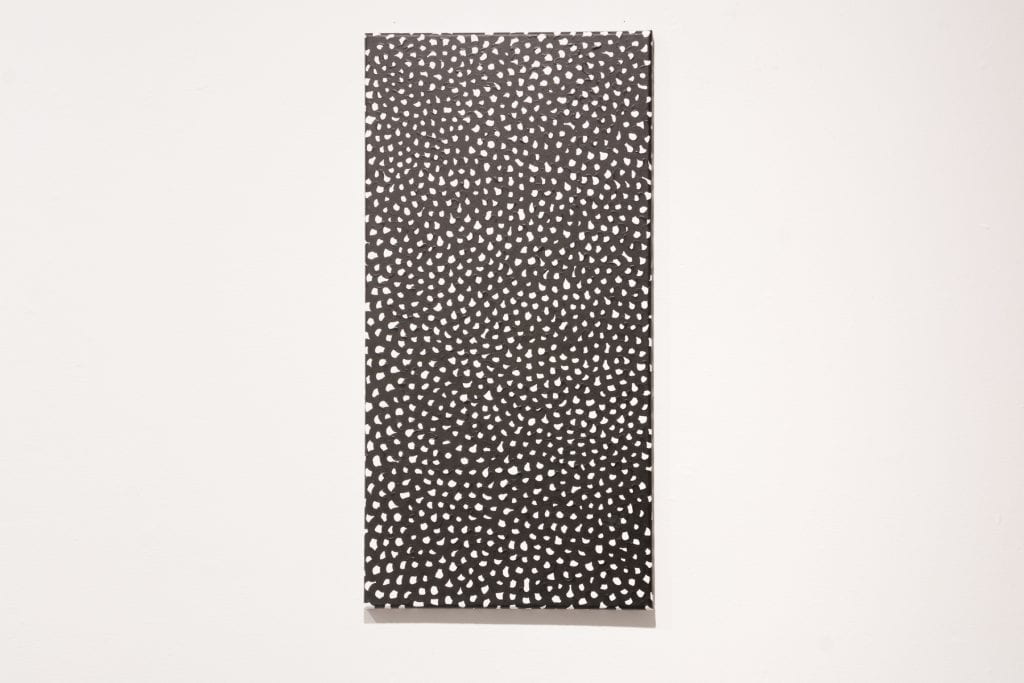
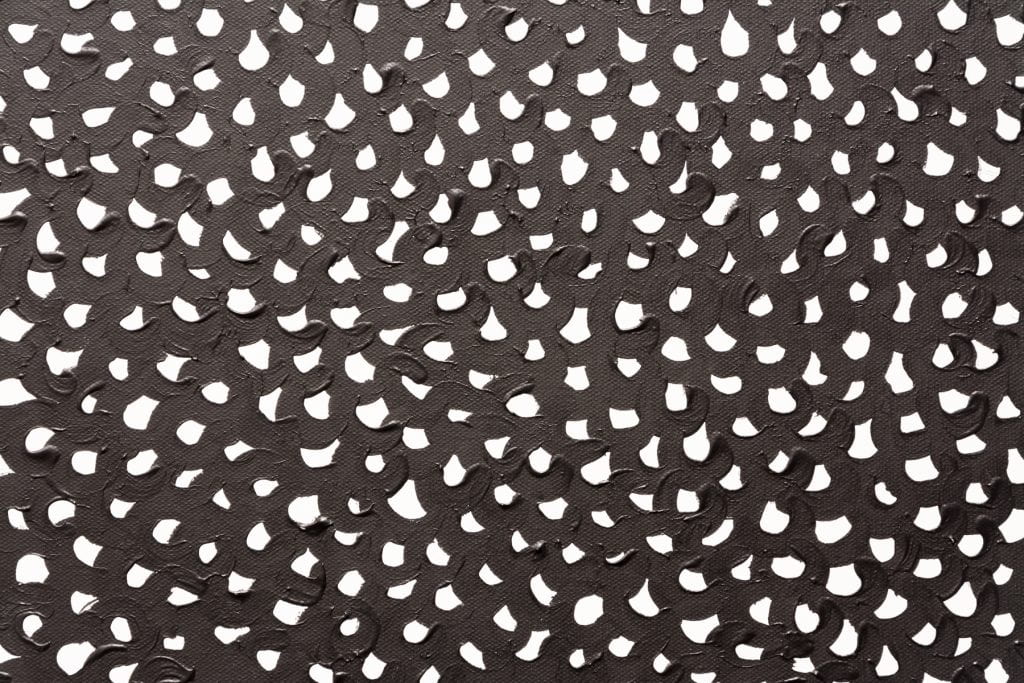
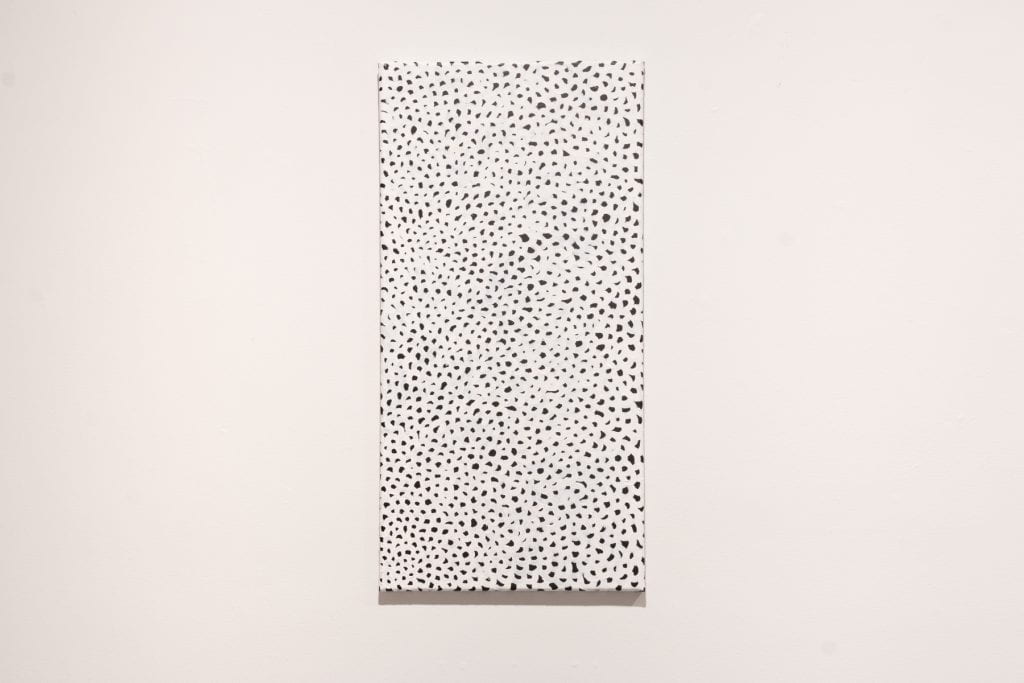
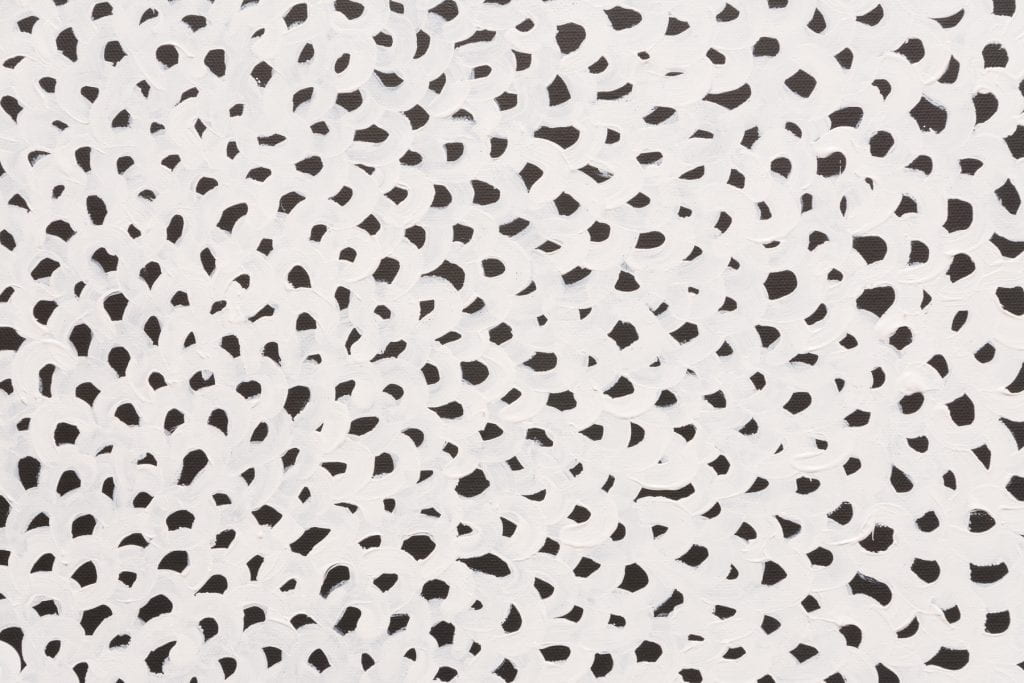
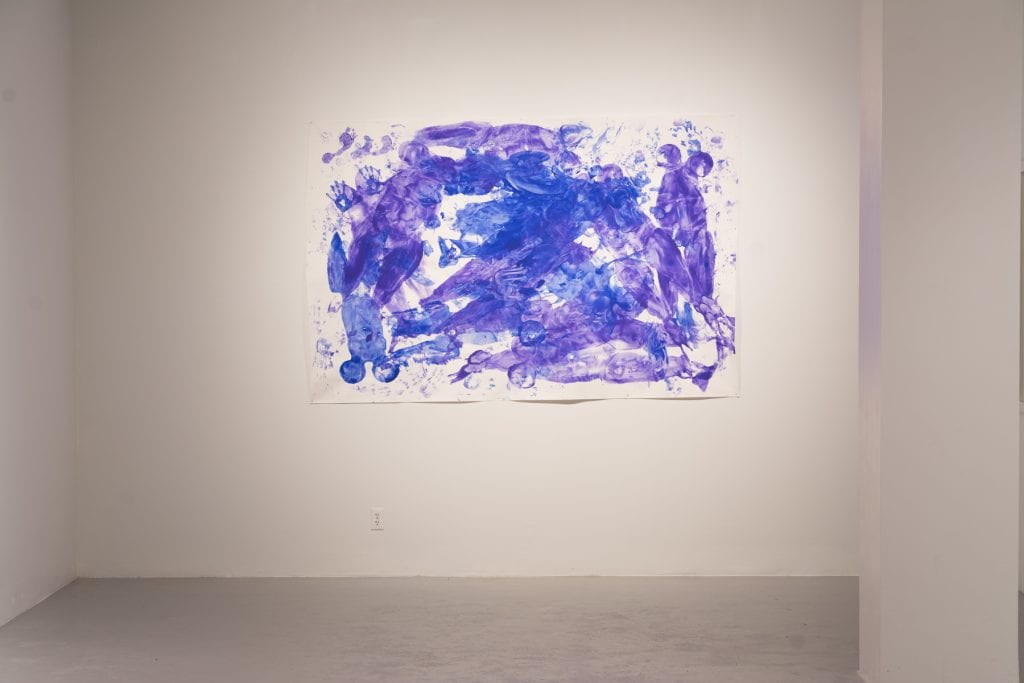
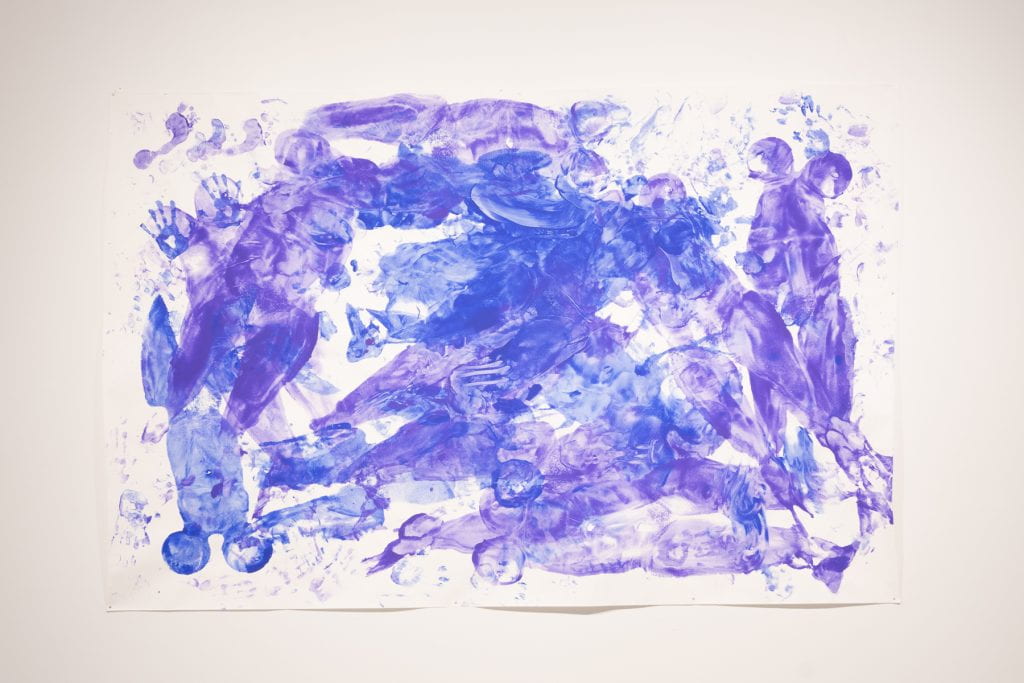
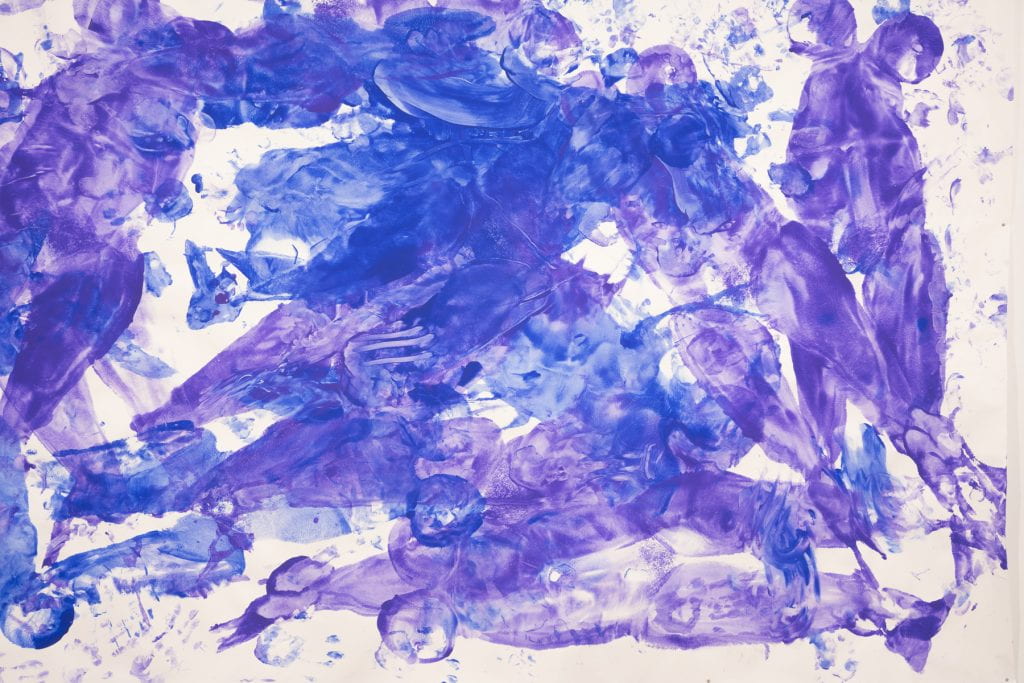
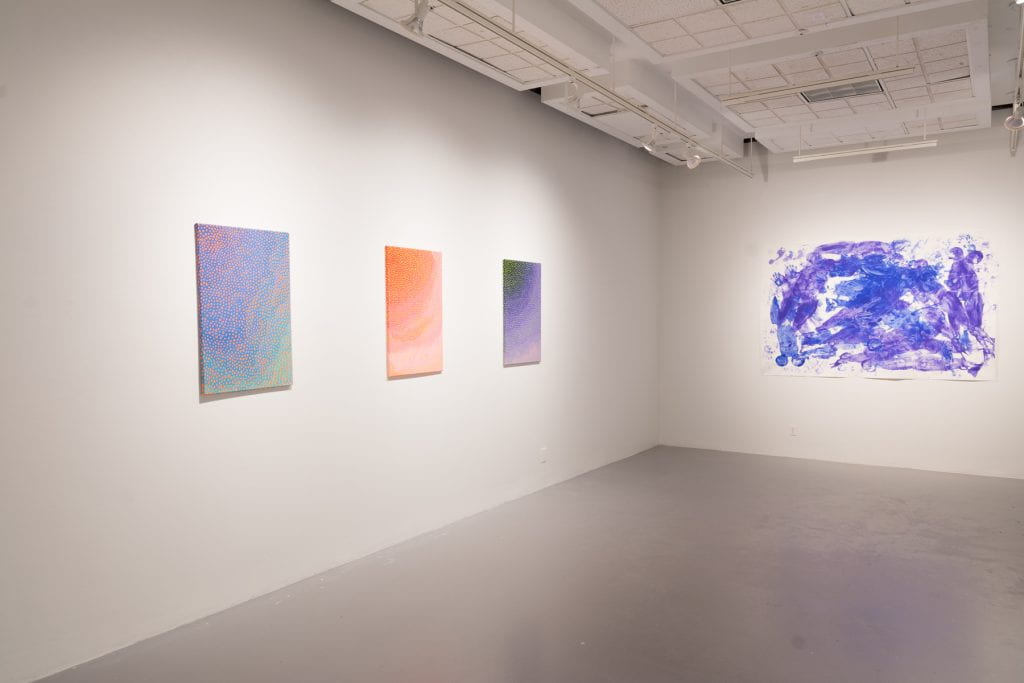

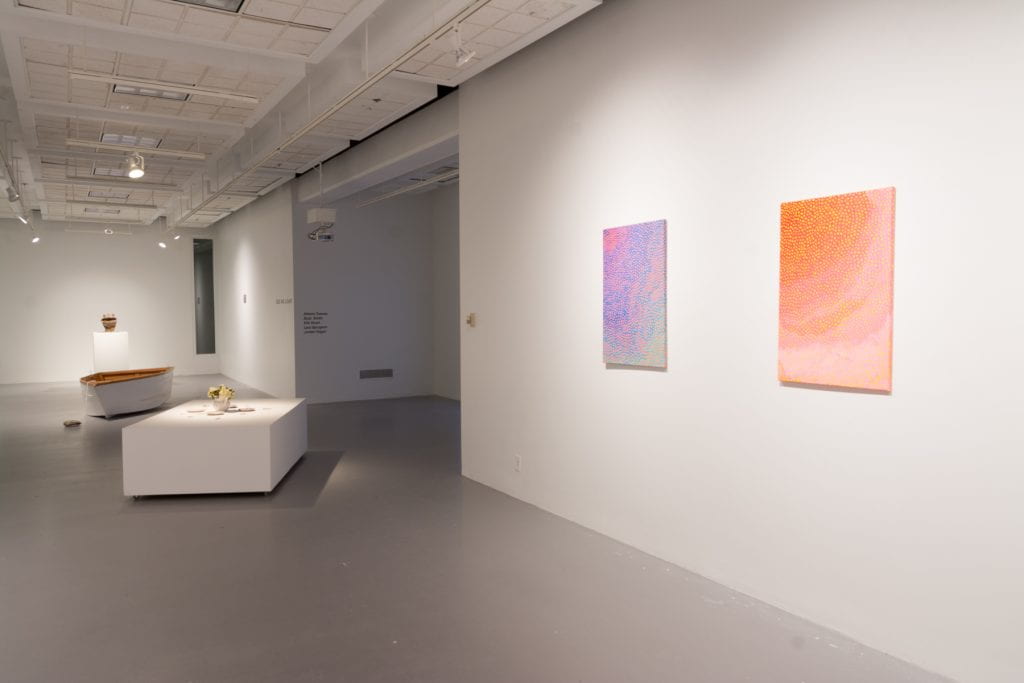
2nd Year Graduate Candidate Exhibition featuring work by Dana Buzzee, Agnese Cebere, Kara Clarke, Noelle Herceg, Erin Langley, Caroline Lichucki, Hannah Petkau & Tyler Stoll.




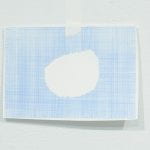
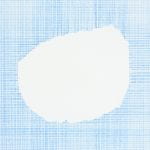
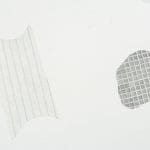
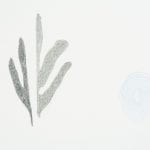
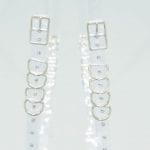
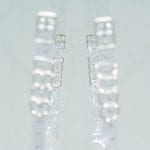
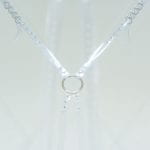
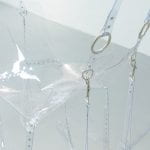
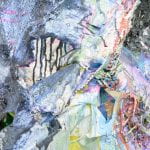
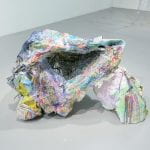
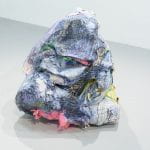
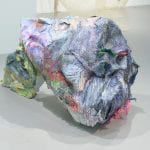

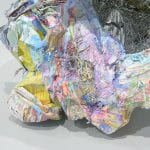



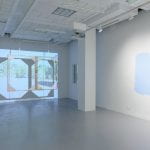
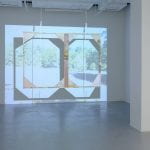
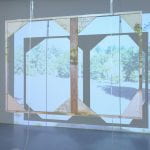
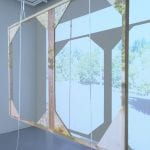
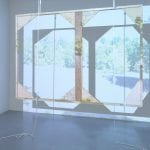

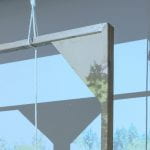


The mathematical forms that describe three-dimensional structures have the potential to inhabit a fourth dimension. I’m interested in the space between what can be made from metal as real material in space, and what can be imagined mathematically. I assemble simple, modular shapes of lines and planes into jewelry, and when people wear these objects in motion, the hidden space in them shifts and changes from different angles and perspectives. At the same time, I am very interested in Chinese ancient poetry culture. Thus, in my later works I tried to combine Chinese ancient poetry to do my work. Ancient poems and Chinese culture have a very interesting point that is different from Western culture, which is “implicit”. Therefore, most of the soft clays in my works were used by monochrome, but they were between the enthusiasm and directness of Western culture. Thus, in some works I tried to add a slightly stronger color. Tao Yuanming described the lotus as “out of mud but not soft nor demon”. I personally like this poem very much, so most of the elements are related to lotus, such as lotus, stem, lotus leaf. Among them, the most applied one is lotus leaf. The lotus leaf itself is very special, and more people look at the flower than the leaf when watching the lotus flower. From the other side, this is a kind of implicit. Using leaves that are not often concerned about works to make the arts. Here is what I did: reusing different sizes of lotus leaves, cutting a gap and inlaying them from different angles of connection to make another shape. I hope that Western viewers can image of Chinese culture when they see my work. When they view my work from different angles and see different contents, they can realize different cultures from many other perspectives.


I am interested in making art that facilitates conversations around freedom, autonomy, futility, and suffering. Growing up in Las Vegas and attending Catholic school, my influences surrounding womanhood were polarizing. Whether it was in Church or on a billboard, representations of women were an overwhelming object of my environment. By appropriating Christian iconography and combining it with the hyper-sexual aesthetics of Las Vegas, I paint images that reflect and further complicate ideologies related to the body, social conditioning, and self-realization. Under the established patriarchy, navigating the boundaries between objectification and subjectivity can be muddy and confusing. I want to expand this conflict between who we are and who we are conditioned to be, and shamelessly transcend these binaries. My position on this has been informed by the writings of feminist philosophers and research about the way art history has dictated representations gender, sexuality, and the intersections between them. It feels empowering to recontextualize iconic representations of women by articulating the performativity of womanhood. I choose to stylize my portraits and figures to play with objectification and the elusiveness of idealized beauty. I combine non-natural color palettes that demand attention, with traditional Baroque techniques, such as diagonal compositions and chiaroscuro, to push and pull sensations of familiarity, history and modernity, and to examine how the objectification of women has pervaded art history and continues today. I want my art to question how we exist in spaces that aren’t designed for us, and to consider the dynamics between agency and environment.
kaitlynwallaceart.com /// @kaitlynxwallace


My current work considers the use of flowers as a symbol of femininity in popular culture. My approach to making art has varied from color digital photography, black and white analog image making, and more recently, I have introduced the process of book making into my practice as well. My thesis project, Subsumption, is a cumulation of my study of this theme. In the gallery presentation, this project will include 11×14″ framed prints along with an 8×10″ handbound book. For the online exhibition the project will include images of my book, Subsumé.
Subsumption, meaning to include or absorb (something) in something else, looks at the traditional comparison of women with flowers. Flowers are traditionally seen as decorative, beautiful, and fragile aligned with traditional notions of the female. However, when looked beyond the cultural symbol, flowers are strong and resilient. It is a generalization to assume that this is what femininity means to all women, therefore, a crucial part of my work is translating these ideas through my own personal experience and identity. To me, the comparison of women to flowers fits closely with how I identify to be feminine. For this work, I photographed myself in my domestic space with flowers serving as a trope to further emphasize it is my personal experience and not that of all female-identifying persons.
A key factor in my practice is to depict these performative gestures through the female gaze, as opposed to the more familiar male gaze. While the male gaze seeks to devour, control, and objectify women, the female gaze is thought to represent their own gender with openness, respect, and no strict boundaries. This is not about me performing my feminine identity for the male gaze but for my own pleasure.
bailythompson.com /// @bailythompson


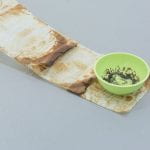
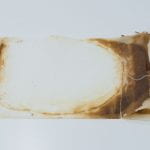
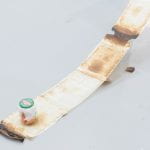
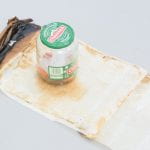
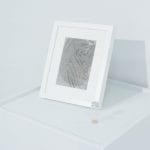
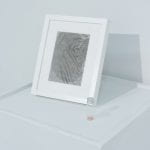
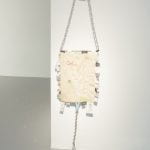
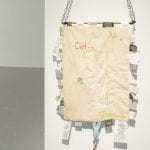
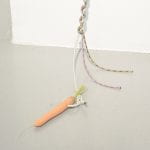
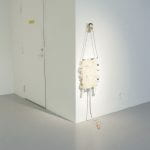
My jewelry-making practice is heavily influenced by my own identity and experiences as a queer transgender person. Queer bodies exist as political and social battlegrounds and sites of public contention. My own queer body is a site of great personal discomfort. I must always be conscious of my body and its presentation in heteronormative spaces. Through my work I want to explore the discourses surrounding the physical presentation of queer identity, and the passage of time in relation to the queer body.
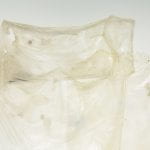
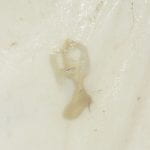
Nature is always in a constant cycle of change, growth and decay. I use natural materials such as wax, wood, and honeycomb to reflect delicateness and impermanence of form. The imagery of flowers, bees, and the human body signify aspects of queerness and queer community. I use the language and techniques of craft to portray the crafting of queer identity, and the eclectic methods of queer community building. Craft is often thought to be in a category separate from art. Craft is full of contradictions of itself, and works as an agent of disruption- disrupting the current norm of consumerism, disrupting the polished aesthetics of fine art, disrupting the monotony of conformity. To me, this disruption and alternate focus makes craft an inherently queer medium- both queerness and craft contain a perception of “otherness”. In my work I use semi transparent fabrics and embroidery to obscure and abstract, as well as to define and accentuate.
Through these natural materials, delicate forms, and the transformative processes of craft, I look to embody the softness of daydreams and the beauty of the individual and collective queer body.
@noelstrohm /// p.n.strohm@gmail.com


I’m compelled by the internalization of American mythology, how perpetuated stories and images become a part of our personal mythologies. I tend to concentrate on the post WWII period because this is when the facade-like nature of American culture began to proliferate with extravagance (television, mass consumerism/marketing, Disneyland etc). Soon this layered simulacra was imperceptible, the boundaries blurred between the real and the imagined. This illusion of the everyday allowed for the gap between idealization and reality to flourish.
The counterculture of the 1960s clearly illustrates this gap between idealistic optimism and actuality; An abrupt upheaval questioned traditional social values and on a deeper level, capitalism and the grander facade that it upheld. This questioning involved a lot of postmodernist thinking (within academia as well as popular culture) and created an opening for magical thinking. This general acceptance of magical thinking had an impactful effect on religion, it also allowed room to believe in things like satanic panic, aliens, spontaneous healing, and the paranormal. Perhaps most notably, it permitted pseudoscience to enter into the mainstream. We may not be able to define universal Truths, but we can recognize universal human traits; I am trying to understand which universal traits are more prominent within American culture and why we have a deep desire to elevate ourselves out of the everyday.
I’m using realism to create a surrealistic effect, mimicking the indiscernible line between the real and the unreal. Additionally, the illusory quality of realism lends itself to our yearning to believe in the mystical. I use various aesthetic elements from mid century American culture that may portray an initial sense of nostalgia, but my intention is to manifest something haunting (rather than saccharin) — a visual echoing of the reverberating social shifts that occurred during the 20th century.
madisonskriverart.com /// @beautifuluniverse


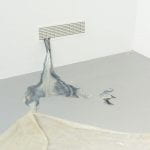
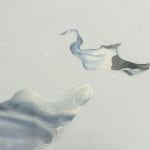
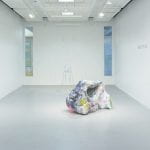
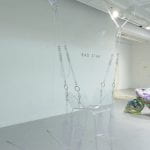
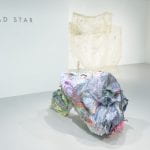
Through large scale forms and installation practices, my work conflates and compares systems of building and systems of the body. Both rely on order to achieve and maintain a high level of function but become vulnerable when this order is interrupted. I examine where this event might occur, looking at the mechanisms both within the body and building. I consider the unseen and overlooked elements, the assumed operations. Pipes hidden behind walls, bringing water to a faucet; the “pipes” through which blood flows, carrying oxygen to our tissue. Operations that occur with little conscious control but contribute to the systems viability. I’m interested in the instability of these interconnected systems, the potential for cascading failure, forcing a conscious response. Often this becomes a point of departure in the work. I look for a push and pull between order and disarray, an attempt to control as form becomes less contained, ultimately becoming more precarious and unstable.
My materials are mainly those used in construction, both the mechanisms that allow for a structure to be built, the tools at hand, and components that hold it together—wood, spackle, sheetrock, glue. The materials can offer line and rigidity but also flexion and fluidity, similar to the body with bone, tendons, and secretions. My forms are driven by merging these qualities, offering elements of order and unpredictability.
Clumps of spackle, overflowing foam, and haphazard supports are remnants of superficial solutions to an issue that run deeper within a system. For example, a broken pipe leaking water cannot be remedied by simply painting over the discoloration where water has begun to penetrate the wall. By covering and concealing I avoid the root of the problem, I place a bandage on the surface, disregarding the potential damage as the issue grows and festers.


If you turn the corner in my memory palace, you’ll find the Portrait Room, just a few steps beyond the Closet. Here are icons of a metamorphosis that I’ve quietly undertaken, living out their afterlives. Inside and outside my life in photographs, I’m in the process of becoming someone formerly-known-as. In the studio, I cloaked my obstinate, shifting body in histories of saran wrap and shiny brocade to keep it from distracting me from longer-term concerns. I can’t say these pictures solve my problem with gender dysphoria, or my yearning to be Out, so much as they enact and memorialize it in archival prints and gilded frames. The walls and tapestries might whisper secrets to you: “hot-glue tears aren’t really a metaphor,” they say. So too, might the accessory-laden pictured noble dead: “my false lashes are terribly uncomfortable,” “these boxers are plucked from a forgotten poem in some public bathroom,” “this packing tape is not just for show…” I pray you [[don’t]] take their grievances to heart!
allisonschukis.com /// hyacinthschukis.com /// @discoursamoreux


In my work I seek to capture the interconnected nature of the world that we all exist in. The human society we live in hinges on connection – between individuals, social structures, government regulations, academic disciplines, and beyond – through which many things are inherently linked to other things. I seek to tease out the sometimes invisible, other times conspicuous, web of ties that hold up the world where we live.
My recent work has taken particular interest in the intersections of the body with materiality, production, concept and installation. I am concerned with exploring the ways in which work is embedded within the body and simultaneously becomes external to it. Likewise, I am interested in the way that viewers experience work that is both of and about the body.
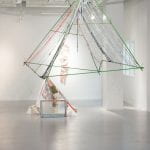
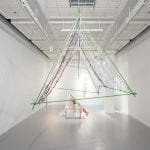
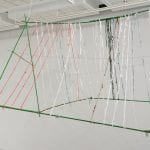
I’ve worked recently with porcelain slip and twine – both fired and unfired – to fully engage my own body in concept and production. To create The Body is a Conduit, I dipped twine in porcelain slip in a process which engaged my body directly with material. Immersing the twine in slip became a physical experience in which the thick, liquid clay became an extension of my own physicality, encasing my hands as well as the twine. Long nearly five-foot strands of twine emerged from the process heavy with slip to become an external conduit of my body, from and through which the concept of the piece flows.
Once fired and installed, these external conduits construct a body within the installation space into which viewers can step. The ceramic conduits move throughout, in and out of the space and engage its corners, lines and features. In the materiality, production, concept and installation of the piece, the conduit of the body is both internal and external. Ideas and work flow in and out, sometimes existing simultaneously internally and externally of the body – connecting it to the world of things, ideas and people around it.